

Kiran Infertility Center Hyderabad

Kiran Infertility Center – Hyderabad

Sai Kiran Hospitals - Unit of Kiran Infertility Center

ICSI for Male Infertility: Understanding the Treatment

For many couples facing infertility, the challenge can sometimes lie with the male partner, such as a low sperm count or poor sperm quality. Until the 1990s, these diagnoses often meant very few options for having a genetic child.

This changed in 1992 with a major breakthrough: ICSI (Intra-Cytoplasmic Sperm Injection). This advanced form of In Vitro Fertilization (IVF) revolutionized treatment by allowing embryologists to directly assist fertilization. 

At Kiran Infertility Centre, we are proud to have been pioneers in offering ICSI since 1998. It is important to note that at our centre, ICSI is a standard and integral part of every IVF cycle we perform. This ensures the highest possible chance of fertilization, regardless of the initial semen analysis. To date, we have
successfully performed over 10,000 cycles, with success rates ranging between 60-80%, matching global standards of excellence.

How is ICSI Different from Conventional IVF?

The initial steps of ICSI are identical to a standard IVF cycle: ovarian stimulation, monitoring, and egg retrieval. The key difference lies in the fertilization process itself.

  •  In conventional IVF, thousands of sperm are placed near an egg in a dish, leaving fertilization to chance.
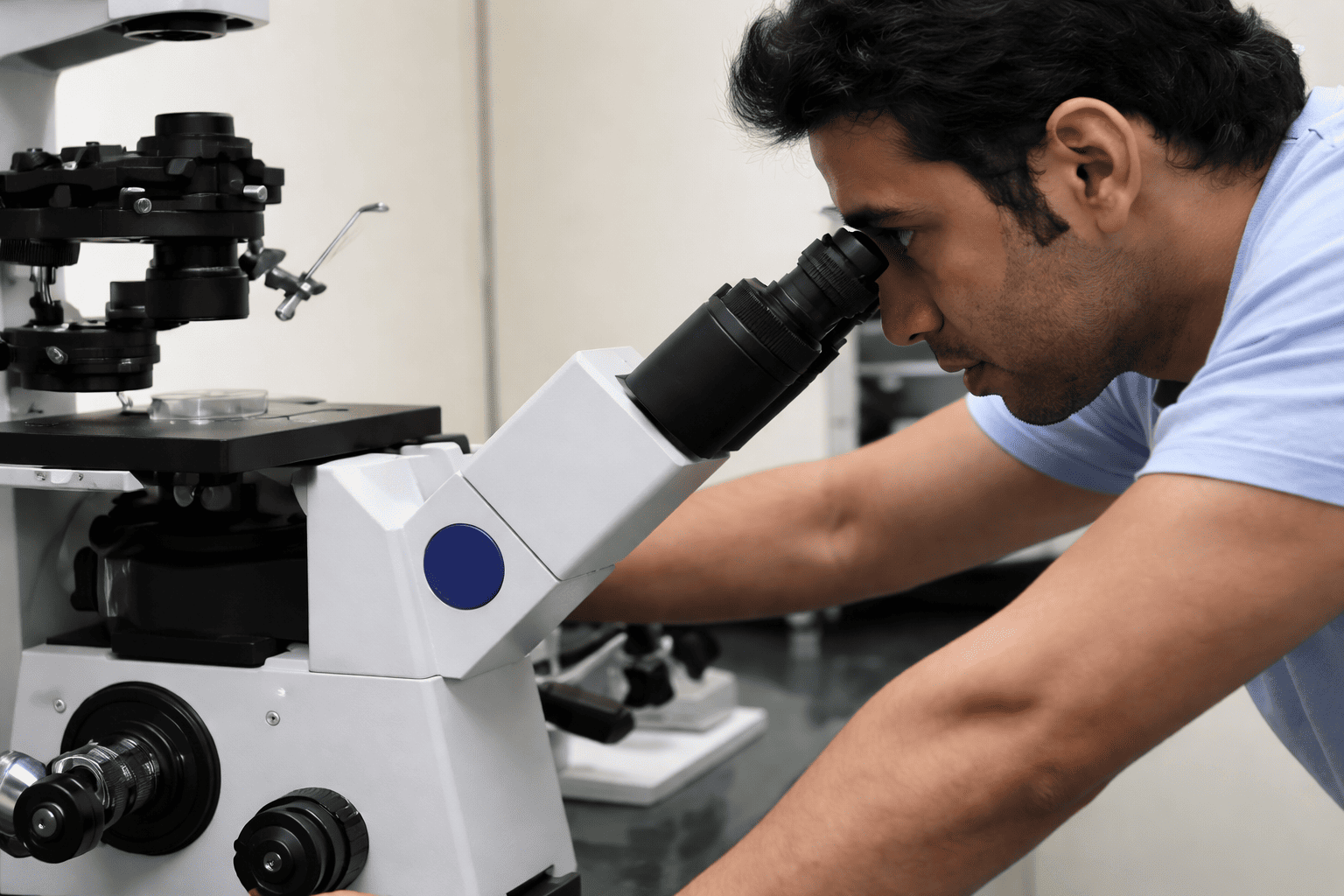
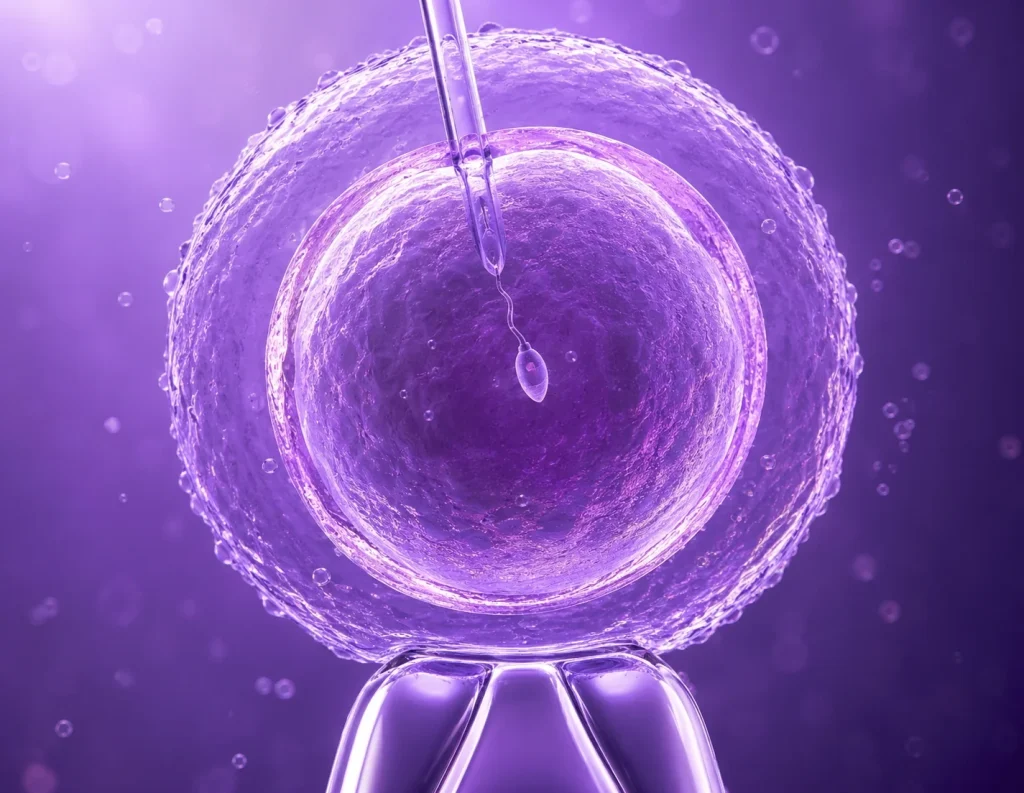
  • In ICSI, our skilled embryologists use a high-powered microscope and a delicate needle to select a single, healthy sperm and inject it directly into the center of the egg. This micromanipulation technique guarantees that a sperm reaches the egg, overcoming many common fertility barriers.
Best ICSI Treatment in Hyderabad

The ICSI Procedure: A Step-by-Step Guide

  1. Ovarian Stimulation: Medication is used to stimulate the ovaries to produce multiple eggs.
  2. Follicle Monitoring: Growth of the eggs is carefully tracked through vaginal ultrasounds and hormone level checks.
  3. Trigger Injection: A final injection is given to prepare the eggs for retrieval. 
  4. Egg Retrieval: A minor procedure under light anesthesia is performed to
    collect the eggs.
  5. Sperm Collection: A semen sample is provided on the same day. In cases where no sperm is present in the semen (azoospermia), we perform procedures like PESA, TESA, or TESE to collect sperm directly from the testicles.
  6. Fertilization in the Lab: This is the core ICSI step:
    o Each egg is held steady with a specialized tool.
    o A single, healthy sperm is selected and immobilized.
    o The sperm is carefully injected directly into the egg.
  7. Embryo Development: The injected eggs are placed in an incubator for 2-5 days to allow them to develop into embryos.
  8. Embryo Transfer: The healthiest embryo(s) are selected and transferred back to the uterus to achieve a pregnancy.
               
ICSI treatment in Hyderabad

Who is an Ideal Candidate for ICSI?

ICSI is highly recommended in the following situations:

  • Severe Male Factor Infertility: This includes very low sperm count (oligospermia), poor sperm motility (asthenospermia), or abnormal sperm shape (teratozoospermia).
  • Azoospermia: When no sperm is found in the semen, we can often retrieve sperm surgically from the testicles (via TESA/TESE) for use with ICSI.
  • Previous IVF Failure: If fertilization failed or was poor in a previous IVF cycle.
  • Ejaculatory Dysfunction: For men with conditions like retrograde ejaculation or spinal cord injuries.
  • Unexplained Infertility: ICSI can be used to maximize the chance of fertilization when the cause of infertility is unknown.
  • Additional Cases: Based on our extensive experience, we may also recommend ICSI for patients with a history of conditions like Tuberculosis or Endometriosis to improve fertilization rates.

ICSI Treatment Cost

ICSI has fundamentally changed the landscape of fertility treatment, offering hope where there was little before. At Kiran Infertility Centre in Hyderabad, we provide world-class ICSI treatment, successfully managing even the most complex cases of male infertility.

The cost of ICSI is tailored to each patient’s specific needs and treatment plan. We believe in transparent pricing and will provide detailed cost breakdown during your initial consultation.

Take the Next Step Towards Building Your Family
Every family-building journey is unique. A diagnosis of male factor infertility does not have to mean the end of your dream of having a child. Our experienced team provides personalized ICSI treatment, clear guidance and compassionate care to help you understand your options and develop a treatment plan suited to your individual needs.

Our fertility team is here to answer your questions, discuss your treatment options, and provide the guidance and support you need throughout your family-building journey. Email us at info@kiranivfgenetic.com to start the conversation.

FAQs About ICSI
Please see below for answers to some of the most common questions about ICSI.

Frequently Asked Questions

ICSI (Intracytoplasmic Sperm Injection) is a laboratory fertilization technique used as part of an IVF treatment cycle. During ICSI, an embryologist selects a single sperm and injects it directly into an egg to facilitate fertilization. In conventional IVF, eggs and sperm are placed together in the laboratory and fertilization occurs without direct sperm injection.

ICSI may be considered for patients with significant male-factor infertility, very low
sperm counts or poor sperm motility, previous fertilization problems, or certain cases where sperm needs to be retrieved surgically. Your fertility specialist will assess your individual circumstances before recommending the most appropriate treatment approach.

In some cases, sperm may be retrieved directly from the epididymis or testicles using procedures such as PESA, TESA or TESE. If suitable sperm is retrieved, it may be used for ICSI depending on the individual circumstances and medical assessment.

An ICSI cycle generally includes ovarian stimulation, follicle monitoring, a trigger injection, egg retrieval and sperm collection. In the laboratory, a single sperm is injected directly into each suitable mature egg. The resulting embryos are then monitored as they develop, and embryo transfer is planned according to the individual treatment plan.

No. ICSI is designed to assist the fertilization process, but it cannot guarantee that every egg will fertilize or that an embryo will implant and result in a pregnancy. Treatment outcomes depend on several factors, including egg and sperm characteristics, embryo development and individual patient circumstances.

Call Now Button